

The Art of Reading Graha Strength: Ṣaḍbala in Jyotiṣical Horoscope Interpretation
Reader Advisory: This exploration of ṣaḍbala is not for the faint of heart. Laced with technical vocabulary and Sanskrit terminology, it assumes familiarity with fundamental jyotiṣa concepts and is recommended for intermediate and advanced students of India's wisdom lore.
When we speak of wisdom lore from India's ancient tradition, few concepts capture the nuanced artistry of jyotiṣa quite like ṣaḍbala—the sixfold strength assessment of grahas in a horoscope. Like a physician who measures vital signs to assess a patient's health, the jyotiṣi uses ṣaḍbala to gauge the functional vitality of each celestial participant in life's grand drama. But make no mistake: this is not mere numerical calculation dressed up as wisdom. Rather, it represents one of the most sophisticated diagnostic tools in the entire corpus of Pārāśarī jyotiṣa.

The Foundation: Understanding Graha Strength
Picture, if you will, a royal court where nine distinguished members—the navagrahas—each play specific roles in governing different aspects of life. But here we must pause to clarify an important distinction. The term graha, often translated as "planet," actually means "seizer" or "grasper"—one who grasps or influences. While this includes the seven classical astronomical bodies visible to the naked eye (the saptagrahas: Sūrya, Candra, Maṅgala, Budha, Bṛhaspati, Śukra, and Śani), it also encompasses Rāhu and Ketu, the lunar nodes, which are mathematical points rather than physical bodies.
Significantly, ṣaḍbala calculations apply only to the saptagrahas—the seven physical celestial bodies— while Rāhu and Ketu are evaluated through other specialized protocols that recognize their unique shadowy nature. Just as we might evaluate a minister's effectiveness by examining their constitutional vigor, political positioning, seasonal influence, daily energy levels, current activities, and inherent capabilities, so too does ṣaḍbala systematically assess each of the seven grahas' functional capacity through six distinct strength measurements.
The beauty of this ancient system lies not in its complexity but in its elegant logic. These six types of strength—hence ṣaḍbala, or "six strengths"—work like different diagnostic instruments in a physician's toolkit, each revealing aspects of graha condition invisible to the others. Together, they create a comprehensive portrait of how effectively each of the seven grahas can deliver its significations in any given horoscope.
“Everything should be made as simple as possible, but no simpler.”
The Six Pillars of Graha Assessment
Sthānabala: Positional Strength
Sthānabala examines where a graha finds itself positioned—its cosmic address, so to speak. This foundational strength considers five sub-components that together reveal how comfortable or challenged a graha feels in its current zodiacal neighborhood.

The uccabala (exaltation strength) measures how close a graha sits to its highest degree of dignity. Like a fish in water or a bird in flight, an exalted graha operates with natural ease and maximum effectiveness. When Bṛhaspati occupies 5° Karkaṭa (Cancer), for instance, it reaches its peak uccabala—all other factors being equal—radiating benevolence and wisdom with unobstructed clarity.
Saptavargajabala evaluates a graha's strength across seven divisional charts—the rāśi, horā, drekkāṇa, saptāṃśa, navāṃśa, dvādaśāṃśa, and triṃśāṃśa. Think of this as examining how well a person performs not just in their primary profession, but across multiple life contexts. A graha strong in several vargas demonstrates consistent competence across diverse life areas.
The ojayugmarāśyāṃśabala considers whether masculine grahas occupy odd (oja) rāśis and degrees while feminine grahas occupy even (yugma) positions. This subtle harmony between gender and position creates a resonance that amplifies graha effectiveness—like a well-tuned instrument producing clearer notes. Those familiar with Jungian psychology can think of this characterization as similar to the notion of animus and anima.
Kendrabala measures the additional strength grahas gain by occupying angular bhāvas (1, 4, 7, 10). These positions offer maximum visibility and influence—particularly in the North Indian chart style where kendras literally occupy the central visual positions—like taking center stage in life's theater. Grahas in kendras wield their significations with greater authority and immediate impact.
Finally, drekkāṇabala examines which third of a rāśi the graha occupies, with each drekkāṇa carrying different energetic qualities that either support or challenge the graha's expression.
Digbala: Directional Strength
Digbala recognizes that certain grahas naturally prefer specific compass directions, drawing strength from their preferred orientation like plants turning toward their optimal light source. This isn't arbitrary cosmic favoritism—it reflects how different qualities manifest optimally in space at the union of the terrestrial and the celestial on the cardinal points of the compass when selected grahas occupy those zones.
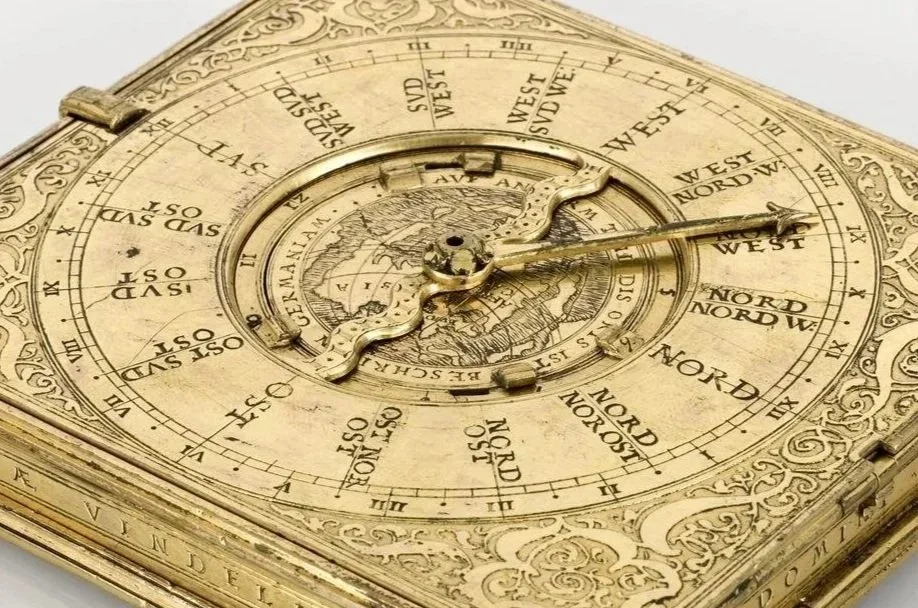
Sūrya reaches maximum digbala at the midheaven (10th bhāva), where—assuming favorable conditions otherwise—it can shine without obstruction, radiating authority and leadership. Maṅgala gains strength in the 10th bhāva as well, where its warrior energy can be channeled into achievement and conquest. Bṛhaspati finds its directional home in the 1st bhāva, where its expansive, wise influence can directly shape personality and life approach, provided other factors support this expression.
Śani gains strength in the 7th bhāva, where its restrictive, organizing energy helps structure relationships and partnerships. Śukra thrives in the 4th bhāva, bringing beauty and harmony to the domestic sphere. Budha shows strength in the 1st bhāva, supporting clear thinking and communication. Candra's directional preference for the 4th bhāva reflects its connection to emotional security and nurturing environments.
Understanding digbala helps predict where graha qualities will manifest most powerfully in a person's life experience.
Kālabala: Temporal Strength
Time itself becomes a player in graha strength through kālabala. This strength fluctuates based on various temporal cycles, recognizing that cosmic qualities ebb and flow like tides.

Ahorātrabala examines whether a person was born during a graha's preferred time—some grahas favor day birth while others prefer night. This creates a fundamental constitutional bias that influences how graha qualities express throughout life. More specifically, Sūrya, Bṛhaspati (Guru), and Śukra are strongest at midday, weakest at midnight. Candra, Maṅgala, and Śani are strongest at midnight, weakest at midday. Budha is always strong, regardless of the time, maintaining consistent effectiveness throughout the daily cycle.
Pakṣabala is the strength the sapta-grahas gain from the Moon's bright or dark wing—its pakṣa, depending on a person's birth in the fortnight of the Moon's śukla or kṛṣṇa-pakṣa, the bright or dark fortnight of a lunar month. Natural Benefics (Moon, Jupiter, Venus, and unafflicted Mercury) are strong in śukla-pakṣa, when the Moon is waxing. Natural Malefics (Sun, Mars, Saturn, and afflicted Mercury) are strong in kṛṣṇa-pakṣa, when the Moon is waning.
Tribhāgabala divides each Vedic day and night into three periods, resulting in six zones with different grahas ruling different time segments. This creates a daily rhythm of graha strength that sophisticated practitioners consider when timing important activities.
Varṣabala considers the strength grahas gain during specific years of life, recognizing that certain ages naturally favor different graha expressions. This calculation relies on the ahargaṇa—the count of days elapsed since a reference epoch—which forms the mathematical foundation for determining the precise temporal coordinates needed for varṣa (year), māsa (month), dina (day), and hora (hour) strength calculations. The ahargaṇa provides the chronological framework that allows astrologers to calculate exactly where an individual stands within the various overlapping cycles that influence graha effectiveness.
Māsabala considers the strength of grahas during different astrological months, while pakṣabala examines lunar phases. The waxing Moon naturally strengthens while the waning Moon weakens, but this lunar rhythm affects all grahas to varying degrees.
The seasonal strength (ṛtubala) recognizes that certain grahas naturally align with specific seasons—just as we feel more energetic during our preferred weather, grahas too have seasonal preferences that affect their functional capacity.
Vārabala considers the day of the week, with each graha gaining additional strength on its own day (Sūrya on Sunday, Candra on Monday, and so forth). This weekly rhythm provides another layer of temporal refinement for understanding graha effectiveness.
Horābala examines the strength grahas derive from the specific hour of birth, as each hour of the day and night is ruled by a different graha in rotating sequence. This hourly dominion creates the most refined temporal measurement in kālabala, recognizing that the cosmic qualities shift dramatically even within the span of a single day. The hora sequence follows a specific pattern beginning with the planetary ruler of each day, creating an intricate temporal weaving that sophisticated practitioners use for precise timing of remedial measures and important undertakings.
Ayanabala: Declination Strength
Ayanabala measures graha strength based on solar declination—the Sun's distance north or south of the celestial equator throughout the year. This sophisticated calculation recognizes that graha effectiveness varies with the solar year's rhythm.

During uttarāyaṇa (the Sun's northern course from winter solstice to summer solstice), Sūrya, Maṅgala, and Bṛhaspati gain strength while Candra, Śukra, and Śani weaken. The reverse occurs during dakṣiṇāyana (the Sun's southern course from summer solstice to winter solstice). Budha maintains consistent strength throughout both periods.
This creates a fundamental seasonal bias that affects not just the seasons themselves but the underlying energetic tenor of different times of year. Events initiated during periods of high ayanabala for relevant grahas tend to manifest more effectively and with greater staying power, all other circumstances being supportive.
The calculation considers the exact solar declination at birth, creating a precise measurement that adds considerable nuance to temporal strength assessment. This factor helps explain why certain people seem naturally attuned to specific seasons and why some periods of the year consistently prove more productive than others.
Ceṣṭābala: Motional Strength
Ceṣṭābala evaluates graha strength based on apparent motion and speed. This dynamic factor recognizes that graha effectiveness relates not just to position but to the vigor of graha movement.
Retrograde grahas (vakrī grahas) receive maximum ceṣṭābala, as their apparent backward motion concentrates and intensifies their influence. Like a river that deepens when flowing slowly, retrograde grahas operate with greater depth and persistence, though often in unexpected or delayed ways.

Fast-moving grahas gain strength through swift motion, while slow-moving grahas suffer when moving slower than their average speed. This creates a spectrum of motional effectiveness that reflects the dynamic nature of cosmic influence.
The calculation considers each graha's daily motion compared to its mean speed, creating a precise measure of motional vigor. Grahas at stations (stationary points before changing direction) possess intermediate strength, as they concentrate energy before shifting into new motional phases.
Understanding ceṣṭābala helps predict the tempo and style of graha influence. High ceṣṭābala suggests dynamic, forceful expression of graha significations, while low ceṣṭābala indicates more passive or gradual manifestation.
Naisargikabala: Natural Strength
Each graha possesses an inherent constitutional strength—its naisargikabala—based on its fundamental nature and cosmic role. Think of this as each graha's basic wattage or constitutional robustness.

Sūrya leads with maximum natural strength (60 units), befitting its role as the central authority in the cosmic government. Candra follows with 51.4 units, reflecting its importance as the mind and emotional foundation. Śukra receives 42.8 units, Bṛhaspati 34.3, Budha 25.7, Maṅgala 17.1, and Śani brings up the rear with 8.6 units.
These aren't arbitrary numbers but reflect each graha's fundamental capacity to influence life events. Śani's lower natural strength doesn't make it less important—rather, it operates through persistence and gradual influence rather than dramatic intervention. Like the difference between a gentle stream and a mighty river, each has its proper role and effectiveness.
This constitutional hierarchy helps understand why certain grahas consistently produce more dramatic effects while others work through subtle, long-term influence. The natural strength provides a baseline against which other strength factors operate.
Gauging Graha Gestalts
Once we calculate these six balas for each graha, we possess not mere numbers but detailed graha portraits. The art lies in synthesizing these measurements into meaningful interpretive insights.
A graha with high sthānabala but low kālabala might indicate someone with excellent potential that manifests inconsistently depending on timing. High digbala combined with strong ayanabala suggests graha qualities that operate with both proper orientation and favorable seasonal backing. Understanding these combinations helps predict not just what will happen, but when and how effectively.
Consider Maṅgala with strong sthānabala (well-positioned by rāśi and bhāva) but weak ayanabala (born during dakṣiṇāyana when Maṅgala weakens). This might manifest as someone with genuine courage and leadership ability, but whose confidence and energy levels follow seasonal rhythms—assuming other graha conditions don't override this pattern. They possess the fundamental capacity for achievement but must work with natural cycles rather than against them.
The Additional Factors: Dṛgbala and Yuddhabala
While the traditional ṣaḍbala focuses on the six core strengths, classical texts also consider dṛgbala (aspectual strength) and yuddhābala (planetary war strength) as important adjustments to the basic calculation.
Dṛgbala measures the strength gained or lost through aspectual influences from other grahas. This creates a dynamic interplay where graha strengths constantly modify each other through their cosmic gazes. Benefic aspects naturally strengthen while malefic aspects weaken, but the calculation considers not just the nature of aspecting grahas but their own strength levels.
Yuddhābala addresses the special condition of graha yuddha (graha war), which occurs when two tāra-grahas (two or more planets among Mars, Mercury, Jupiter, Venus, Saturn) occupy the same degree of zodiacal longitude. In this cosmic combat, the graha with greater brightness emerges victorious, gaining additional strength while the defeated graha suffers significant weakness. This rare but powerful condition can dramatically alter graha effectiveness.
Practical Application: Beyond the Numbers
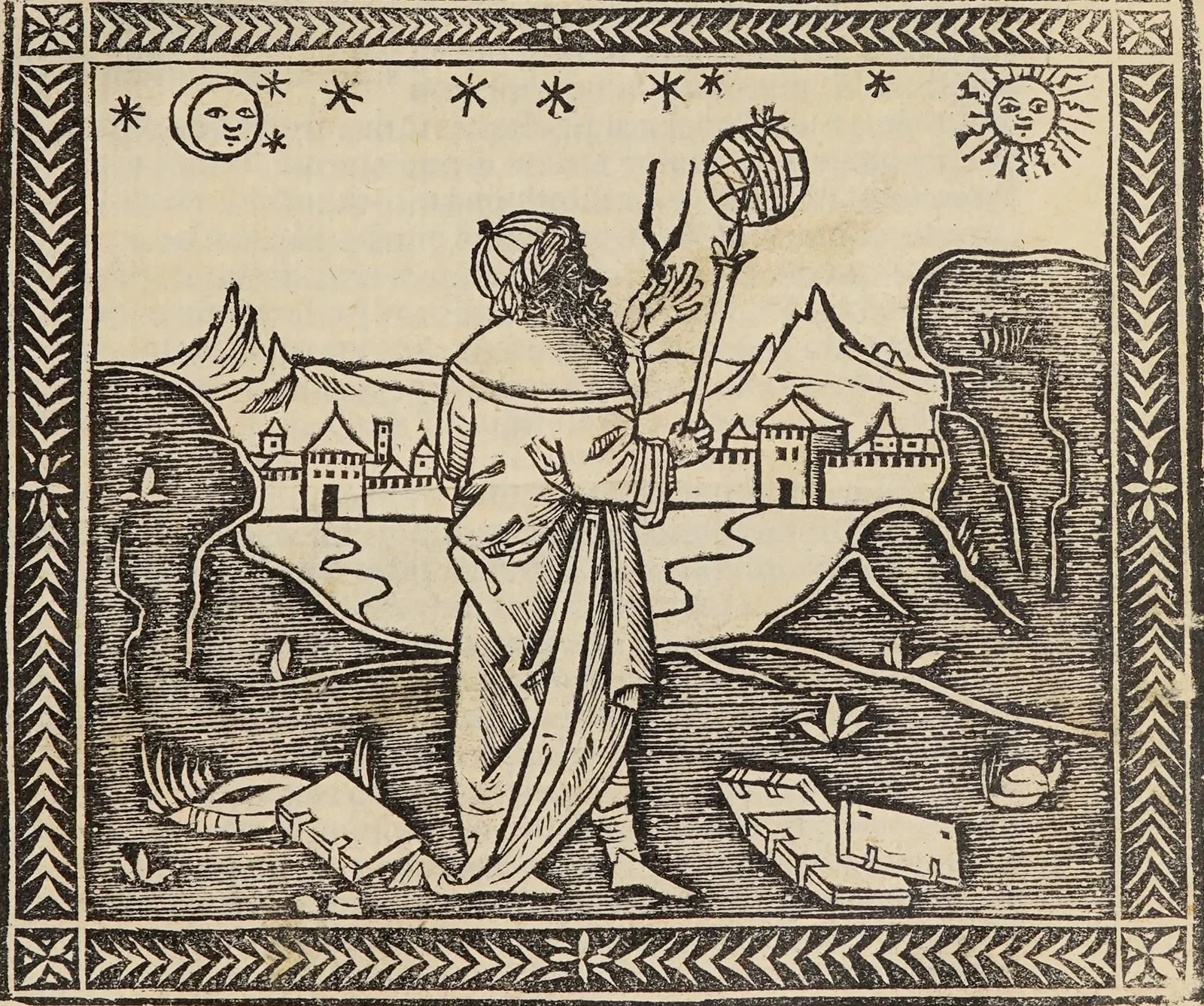
Medieval woodcut of the Persian astrologer Albumasar (Abū Ma‘shar)
The true test of ṣaḍbala understanding lies not in precise calculation but in meaningful application. Like a master chef who knows when to rely on recipes and when to trust intuition, the skilled jyotiṣi uses these strength measurements as diagnostic tools rather than deterministic proclamations.
A graha with moderate total bala but strong digbala might function more effectively than one with higher total strength but poor directional placement. Context matters enormously. The 7th bhāva Śani of a marriage counselor operates very differently from the 7th bhāva Śani of someone seeking a life partner, even if the numerical strength remains identical.
Furthermore, graha strength must be considered alongside yoga formations, nakṣatra placements, and daśā sequences. A temporarily weak graha might still deliver excellent results during its own period if supported by favorable yogas or strong dispositors. The cosmic symphony contains multiple instruments —no single measurement tells the complete story.
The Wisdom Behind the Method
What makes ṣaḍbala so sophisticated is its recognition that graha effectiveness operates on multiple levels simultaneously. Just as human health depends on genetics, environment, nutrition, exercise, mental state, and social connections, graha strength emerges from the complex interaction of position, direction, timing, seasonal cycles, motion, and natural constitution.
This multidimensional approach reflects the holistic worldview underlying all genuine wisdom lore. Nothing operates in isolation; everything exists in relationship. The grahas don't simply occupy positions in space—they participate in an ongoing cosmic dialogue where each voice influences and is influenced by the whole.
Modern astrology often seeks quick answers and simple techniques. But jyotiṣa offers something more valuable: a sophisticated framework for understanding the subtle relationships that shape human experience. Ṣaḍbala represents centuries of observation and refinement, distilled into a practical diagnostic tool that honors both cosmic complexity and human understanding.
Working with Graha Weakness

When ṣaḍbala reveals significant graha weakness, this doesn't spell doom but rather indicates areas requiring conscious attention and skillful remediation. A weak Śukra might struggle to provide material comforts and aesthetic satisfaction naturally, but understanding this creates opportunities for targeted improvement through appropriate remedial measures.
The beauty of this diagnostic approach lies in its actionable nature. Just as medical tests help doctors prescribe effective treatments, graha strength assessments guide practical interventions. Mantra recitation, charitable activities, gem therapy, and lifestyle adjustments can all help weak grahas function more effectively within their constitutional limitations.
Moreover, weakness in one area often corresponds to strength in others. The cosmic wisdom rarely creates completely unbalanced situations. Someone with weak Śukra might possess strong Maṅgala, suggesting the path to material well-being lies through effort and enterprise rather than passive attraction of resources.
Timing and Graha Strength
The relationship between graha strength and daśā sequences creates another layer of practical application. Even strong grahas produce mixed results when operating during challenging sub-periods, while weak grahas can surprise with positive outcomes when supported by favorable timing cycles.
Understanding ṣaḍbala helps predict not just the general nature of graha periods but their relative intensity and effectiveness. A strong graha's major period typically brings clear manifestation of its significations—provided the overall horoscopic context supports such expression—while weak grahas often produce delayed, diluted, or distorted results.
This temporal dimension adds crucial nuance to horoscope interpretation. Rather than making blanket predictions, the informed jyotiṣi can discuss periods of relative strength and challenge, helping clients align their efforts with cosmic rhythms for maximum effectiveness.
The Integration Challenge
Perhaps the greatest challenge in applying ṣaḍbala lies in integrating its insights with other fundamental techniques. Graha strength must be balanced against bhāva lordship patterns, yoga formations, and special conditions like combustion, retrogression, or debilitation. Sometimes these factors contradict each other, requiring careful synthesis.
A debilitated graha might still possess significant ṣaḍbala through favorable position, timing, and motion. Conversely, an exalted graha might suffer from poor overall strength due to unfavorable directional placement and seasonal weakness. The art lies in weighing these various factors according to their relative importance in specific contexts.
This integration challenge reflects a deeper truth about jyotiṣa practice: it requires both technical knowledge and intuitive wisdom. The calculations provide essential data, but meaningful interpretation emerges from understanding how multiple factors interact within the unique context of each individual life.
Conclusion: The Living Wisdom
Ṣaḍbala exemplifies what makes India's wisdom lore so remarkable—its ability to capture cosmic complexity within practical frameworks. These six strength measures don't oversimplify graha function but rather provide multiple perspectives that collectively reveal deeper truths about cosmic influence.

Like a physician who examines multiple vital signs rather than relying on single measurements, the jyotiṣi uses ṣaḍbala to develop nuanced understanding of each graha's functional capacity. This multifaceted approach honors both the scientific precision and artistic sensitivity required for meaningful horoscope interpretation.
The ultimate goal isn't perfect prediction but deeper understanding. When we comprehend how graha strengths and weaknesses shape life patterns, we gain valuable insights for navigating challenges and optimizing opportunities. This practical wisdom transforms astrology from entertainment into genuine guidance for conscious living.
Working with ṣaḍbala teaches patience, precision, and synthesis—qualities essential for any meaningful spiritual practice. It reminds us that cosmic wisdom emerges not from quick fixes or simple formulas but from careful observation, thoughtful analysis, and humble recognition of the subtle relationships that govern existence.
In this light, ṣaḍbala represents far more than technical calculation. It embodies the fundamental jyotiṣical insight that individual lives unfold within cosmic patterns that can be understood, respected, and worked with consciously. This understanding offers genuine empowerment—not through control of external circumstances but through alignment with the deeper rhythms that shape human experience.
Might it be that in learning to read graha strength with precision and wisdom, we simultaneously develop the capacity to recognize and nurture the strengths within ourselves and others? The cosmic mirror, after all, reflects not just celestial positions but the deepest patterns of consciousness itself.