

The Five Mistakes That Stall Jyotiṣa Students— And How the Classics Address Them
Why Intelligent Students Still Get Stuck
Consider a student I know—bright, diligent, three years into the study of Jyotiṣa. She can erect charts with precision, identify yogas by name, calculate daśās without error. Yet when she sits with a client's chart, something falters. The interpretation feels thin; the confidence wavers. She knows the language but struggles to speak it fluently.
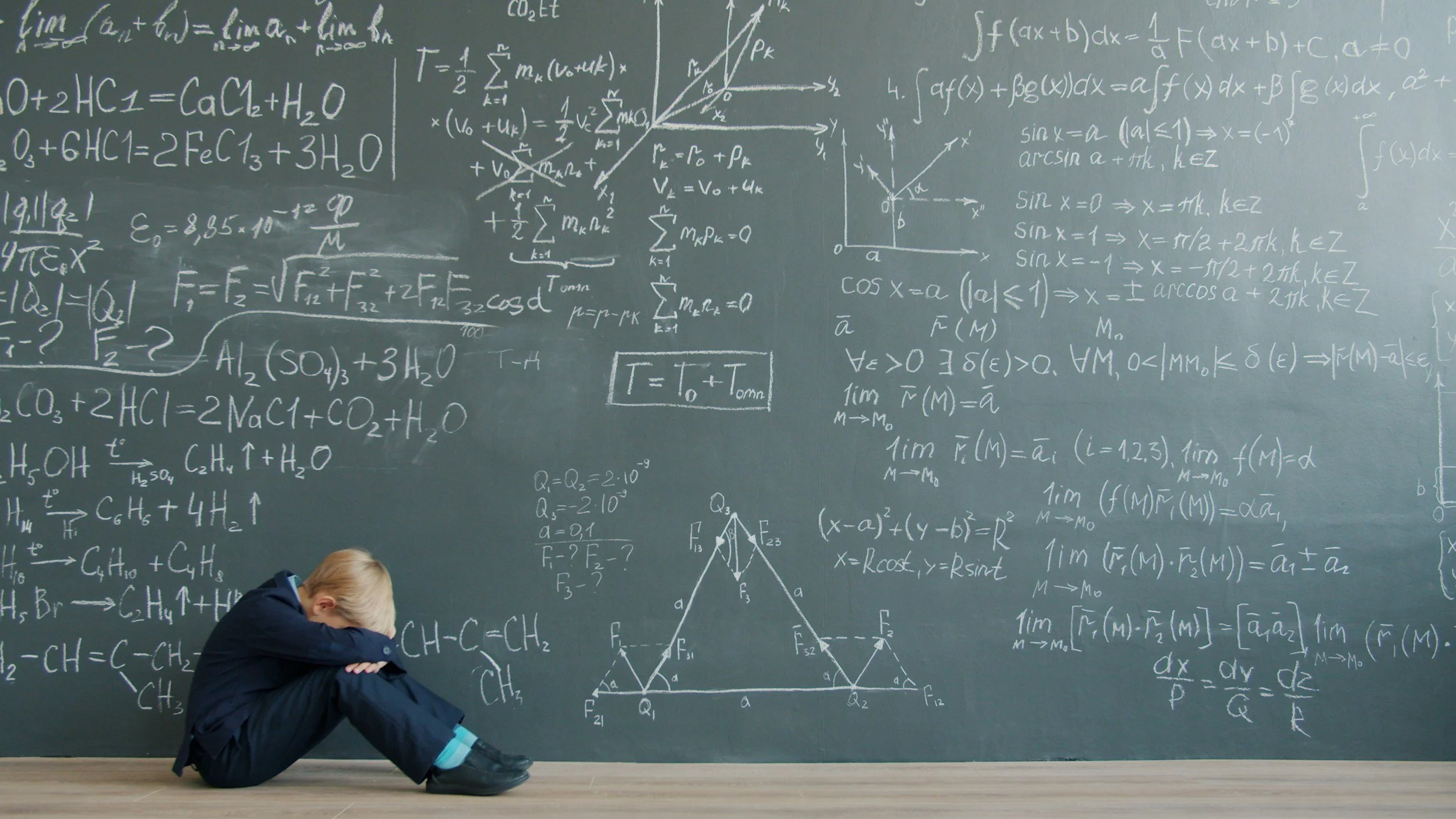
This is not an uncommon experience. Many capable students of Jyotiṣa encounter a quiet frustration after the beginner stage. They possess technical competence but lack interpretive power. Their readings sound correct but feel hollow.
The difficulty is rarely personal. It is structural.
Classical Jyotiṣa was never designed to be absorbed all at once. It unfolds through ordered layers, each clarifying the next. When that order is unknowingly disrupted—when students learn techniques without the framework that contains them—progress appears to stall.
The classical authors understood this danger intimately. Their works are not merely repositories of information but carefully structured teaching instruments. Here is what modern students often miss: Mantreśvara's Phala-Dīpikā and similar texts solve the problem of sequencing and layering through their very organization, yet they never explicitly announce what they're doing or why. The structure itself is a teaching method.
A fundamental principle appears early in the tradition, though rarely in such direct language as, for instance, "Phala arises only after proper consideration of place, strength, and time." Yet the clues are embedded: the fruit—the interpretive outcome—emerges from method, not from accumulation.
The following five mistakes arise precisely when this orientation is lost. Each represents a departure from the classical sequence, and each carries its own remedy within the tradition itself.
Mistake #1: Treating Jyotiṣa as a Collection of Techniques Rather Than a Coherent System
How the Mistake Shows Up
Students accumulate rules the way some collect recipes—a special yoga from one teacher, a unique timing method from another, a predictive technique discovered in research. The notebook grows thick with information. Yet when faced with an actual chart, they freeze, uncertain which tool applies.

Charts become crowded with annotations but poor in hierarchy. Everything seems potentially relevant; nothing speaks with authority. When asked to prioritize, students struggle. Is the yoga more important than the bhāva lord's condition? Does this rāśi placement override that nakṣatra consideration? The questions multiply without resolution.
Why This Stalls Growth
When everything matters equally, nothing can be heard clearly. Contradictions proliferate—one method suggests success, another warns of difficulty, a third remains ambiguous. Over time, confidence erodes. Students suspect the tradition itself is inconsistent rather than recognizing that their own approach lacks an organizing principle.
How the Classics Address This
The classical texts do not teach Jyotiṣa as a toolbox from which you select instruments by flavour of the month preference. They teach it as an integrated system built from a small set of foundational elements examined repeatedly from different angles: graha (planet), bhāva (house or domain of life experience), rāśi (constellation), bala (strength or capacity), and kāla (time).
Notice how a revered text like Mantreśvara's Phala-Dīpikā is organized. By and large, early chapters establish the building blocks—rāśis, graha objects and qualities, strengths. Middle chapters explore combinations and their effects. Later chapters address timing and refinements. This is not an accidental arrangement. Although episodic variants of this structure exist, most manuscripts follow a patterned flow, a learning sequence that moves broadly from foundation through integration to application.
Yet such texts never say, "We are now teaching you sequence." They simply present the material in proper order and expect the student to absorb the method through immersion in its structure.

Interpretation proceeds sequentially, not by preference. You cannot reliably assess a yoga without first understanding the condition of the grahas forming it. You cannot predict timing without first understanding what promises the chart actually contains. The tradition offers a solution through organization but leaves students and teachers to discover and unveil the consistent order and use of principles. It counts on an expert teacher to transmit—to unpack the method and meaning behind and through a manuscript's lines and structure—during a period of cooperative study with a motivated student.
Classical instruction would say: without understanding the condition of the graha, the results described elsewhere cannot be reliably applied. This isn't mysticism. It's methodological rigor.
Mistake #2: Skipping Strength (Bala) and Jumping Straight to Interpretation
How the Mistake Shows Up
A student identifies a powerful yoga—perhaps Gajakesarī, perhaps Dhana—and announces that wealth or wisdom will surely manifest. Yoga exists; the texts describe its effects; therefore, the prediction seems secure. Yet the results prove inconsistent. Some charts deliver as promised. Others show only faint traces. Still others reveal nothing at all.
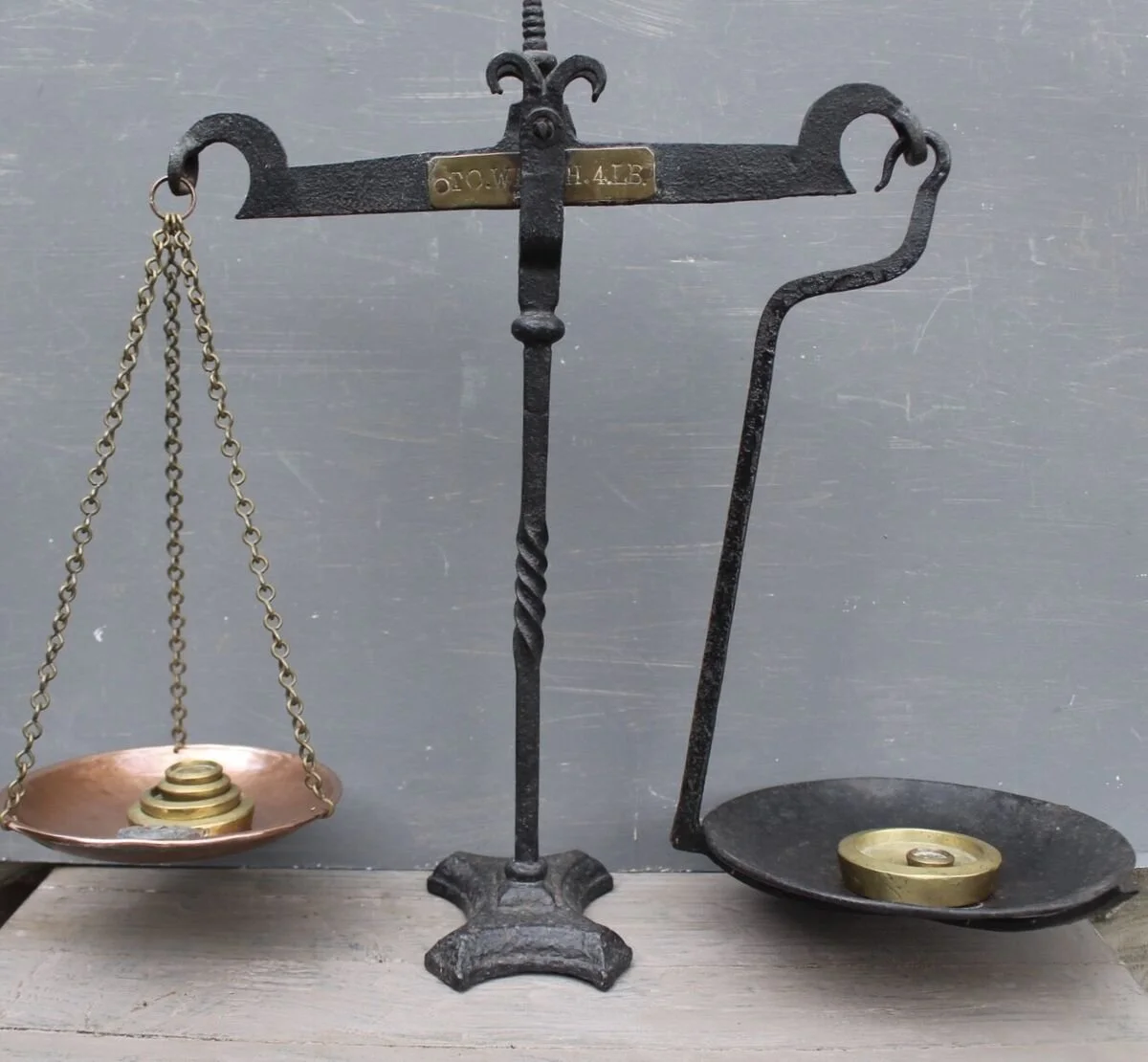
Over time, students develop elaborate explanations for these failures. Perhaps the natal promise was blocked by transit. Perhaps past karma intervened. Perhaps the chart requires deeper techniques. Rarely do they consider the simpler explanation: they skipped the assessment of bala, of strength, power, ability and capacity.
Why This Stalls Growth
Interpretation without strength assessment becomes hopeful conjecture rather than reasoned judgment. When predictions fail, students lose faith—not in wrong predictions, which are instructive, but in their own capacity to read charts reliably. The ground feels perpetually uncertain.
How the Classics Address This
Throughout the tradition, from notable figures like Parāśara through Varāhamihira to the later commentators, strength precedes result. A graha promises only what its capacity allows. This is not a refinement or specialty technique. It is foundational logic.
The tradition developed elaborate systems for this reason―ṣaḍ-bala (sixfold strength), bhāva-bala (house strength), iṣṭa-phala and kaṣṭa-phala (favorable and unfavorable results). It often adds a later reminder and refinement of power, strength, ability and capacity in the form of avasthā (states). All these weren't created to complicate Jyotiṣa. They emerged because strength explains what simple placement cannot: partial success, delayed results, mixed outcomes, or unobstructed manifestation of expected outcomes.
A graha devoid of strength gives little result, even if well placed. This principle appears across multiple horā texts, sometimes explicitly stated and more often revealed through case examples. All said, the classical authors understood students would encounter charts where promised hyperbolic results fell short. Rather than abandon the system or blame the client, they provided bala as the explanatory framework.
Here again, the texts teach through structure more than through explicit instruction. Chapters on bala appear before chapters on prediction, and avasthā is woven in recursively, precisely because strength must be assessed before outcomes can be declared. The sequence carries the teaching.
Mistake #3: Confusing Symbolism with Function
How the Mistake Shows Up
Readings become eloquent but impractical. A student describes the Moon's placement with poetic sensitivity―discussing emotional tides, maternal relationships, and the inner landscape of feeling. The client nods appreciatively. Yet when asked, "Should I accept this job offer?" the student cannot provide concrete guidance. Symbolism has replaced function.

This mistake appears especially among students drawn to Jyotiṣa through psychology or spirituality. They grasp the archetypal dimensions beautifully but struggle to translate symbols into practical counsel.
Why This Stalls Growth
Insight alone does not fulfill Jyotiṣa's purpose. The tradition exists to guide action in the world—to help people make wise decisions about marriage, career, health, timing. Without function, wisdom remains an aesthetic exercise rather than a living practice.
How the Classics Address This
Classical Jyotiṣa is relentlessly practical. Grahas are perceived as acting; they are not merely symbols. Bhāvas yield specific results in specific life domains. When Parāśara describes the seventh bhāva, he doesn't speak of "partnership energy" or "relationship dynamics." He discusses marriage, business associations, sexual connection, litigation, travel to foreign lands—concrete outcomes in the lives of real people.
The effects of grahas are known also by their actions, not merely by their names or forms. This reflects the classical interpretive stance throughout the tradition. Mars doesn't "represent" courage abstractly; its principle produces courage or cowardice depending on strength and placement, which then manifests as specific behaviors and outcomes.
Symbolism deepens understanding, certainly. Knowing that Jupiter relates to dharma, teaching, and expansion enriches interpretation. But that enrichment serves function-it helps you understand why a strong Jupiter in the tenth bhāva brings advisory roles, teaching positions, ethical leadership. Symbol supports prediction; it doesn't replace it.
Once again, the classical texts demonstrate this priority through structure. Many chapters are organized around life domains (marriage, wealth, children, career) rather than around symbolic themes. The organization itself teaches: Jyotiṣa exists to address actual human concerns.
Mistake #4: Treating Timing as an Optional Specialty Instead of the Spine of Jyotiṣa
How the Mistake Shows Up
Students hesitate when asked, "When will this occur?" They can describe what the chart promises—success is indicated, challenges appear in relationships, career shows strength—but cannot specify timing. Some treat this as an acceptable limitation: "I focus on natal interpretation, not prediction."

This reveals a fundamental misunderstanding. Without timing, you haven't completed the interpretation. You've merely described potential that hangs suspended, disconnected from the movement of actual life.
Why This Stalls Growth
Without timing, Jyotiṣa cannot guide action. A client asks whether to launch a business this year or wait. "You have entrepreneurial potential" is not an answer. The chart may show this potential, but when does it activate? During which daśā period? In which year? Under what conditions?
Knowledge remains abstract without the temporal dimension that brings it into contact with decision-making.
How the Classics Address This
Timing systems exist because a promise alone is incomplete. The tradition developed daśā (graha and even rāśi periods), bhukti (sub-periods), varṣa-phala (annual charts), and gocara (transits) not as optional specialties but as essential components of complete interpretation.
Results manifest according to time; without time, judgment is incomplete. This principle underlies the entire timing and predictive dimension of Jyotiṣa. The chart shows what is promised. Daśā shows when it activates. Annual charts show how it manifests in a given year. Transits show the immediate triggers.
Notice again how classical texts handle this. They don't debate whether timing matters—they simply include extensive chapters on daśā systems, treating them as naturally as they treat house significations or planetary dignities. The Bṛhat-Pārāśara-Horā-Śāstra dedicates substantial portions to Viṃśottarī and other daśā methods, presenting them not as advanced techniques but as standard procedure. And they occur later in the manuscript.
The structure carries an implicit message: if you're not working with timing, you're not yet practicing complete Jyotiṣa.
Mistake #5: Ignoring the Role of Human Agency and Larger Order
How the Mistake Shows Up
Students oscillate between two extremes. Some embrace rigid fatalism—"The chart shows difficulty, therefore nothing can be done." Others adopt unrealistic optimism—"With enough positive thinking, anything can be overcome." Neither position serves clients well.

When discussing upāya (remedial measures), students grow uncertain. Do remedies work or not? If fate is fixed, why recommend them? If they're effective, doesn't that contradict the chart? The confusion reveals an incomplete understanding of how the tradition views human agency within the cosmic order.
Why This Stalls Growth
Without a balance between fate, destiny, and effort, readings lose both ethical clarity and practical depth. Fatalism makes counseling pointless; optimism makes the chart irrelevant. Neither extreme honors what Jyotiṣa actually teaches about the relationship between karma, effort, timing, and grace.
How the Classics Address This
Classical Jyotișa assumes karma, human effort, timing, and divine grace operating together within a larger order. This isn't philosophical speculation—it's the working framework of the tradition.
Upāya exists precisely because some afflictions may be mitigated through effort, worship, and right conduct. The classical texts state this plainly, though modern students often miss the subtlety. Remedies are neither denial of fate nor a guarantee of control. They represent appropriate responses within the order shown in the chart.
A strong affliction cannot be entirely eliminated, but its sharpness may be reduced. A favorable period can be enhanced through aligned action. Free will operates within the constraints karma has established—not unlimited, but real nonetheless.
The tradition speaks quietly but firmly on this point: not everything is negotiable, yet response always matters. This balance allows the astrologer to offer both truth and hope—to acknowledge difficulty without counseling despair, to recognize limitation without denying possibility.

Orientation Restored
When these five errors are corrected, Jyotiṣa regains its coherence.
Techniques fall into their proper places within an integrated system.
Bala provides the framework that makes interpretation reliable rather than speculative.
Symbolism enriches function rather than replacing it.
Timing completes judgment rather than appearing as an optional specialty.
And the balance between fate and effort allows for both honesty and compassion in counsel.
Confidence grows naturally from this reorientation, not from accumulating more techniques or studying more texts, but from aligning your practice with the sequence and priorities the tradition itself shows—a capacity for steering to a destination, a destiny.
If you recognize yourself in these mistakes, take heart. This is not a sign of failure or inadequacy. It is a sign that you are ready to study in the way the classical authors expected through immersion in their method, not merely their conclusions. The texts offer their solutions through structure and sequence, waiting for students mature enough to recognize what is being taught beneath the explicit content.
The path forward is not more information.
It is a road less traveled but cleared with reasonable, layered, principled order.
Article used by permission. © 2025 Hart deFouw. All Rights Reserved.
If You’d Like to Go Further
Cosmic Kaleidoscope is a learning environment in which this work is actively cultivated. To learn more, get in touch.